Politics
Voters Deliver Clear Warning: Public Anger Persists, and Republicans Are Feeling the Heat

If you want to know what really drives American elections, look no further than Tuesday night. Voter anger is still the most powerful force in politics, and this week, that fury delivered Democrats a clean sweep in races across the country. From high-profile governor contests to down-ballot seats, voters sent a crystal-clear message: they’re still fed up with the status quo, and right now, that’s bad news for Republicans.
Democrats scored wins in places like New York, New Jersey and Virginia, and even deep-red Mississippi, where they picked up legislative seats and ended the GOP’s supermajority. They also booted two Republican incumbents in Georgia from a commission that regulates utilities. It didn’t seem to matter if the Democratic candidates were well-known or newcomers, progressive or moderate, focused on Trump or barely mentioned him — they all did surprisingly well.
Despite this, new House Speaker Mike Johnson insisted, “I don’t think the loss last night was any reflection about Republicans at all.” But that take misses the bigger picture. In today’s GOP, loyalty to Trump is baked in, and every Republican on the ballot gets tied to him. That’s not exactly a winning position when the president is so deeply unpopular — especially as his second term kicks off with chaos: thugs on the streets, erratic tariffs, and brutal cuts to safety net programs like Medicaid and SNAP.
Anger, particularly toward whoever is in charge, is a key driver in off-year elections. And while Democrats are benefiting from that now, it’s less about their candidates’ charisma and more about how frustrated voters are with Trump’s return to power and the general dysfunction in Washington.
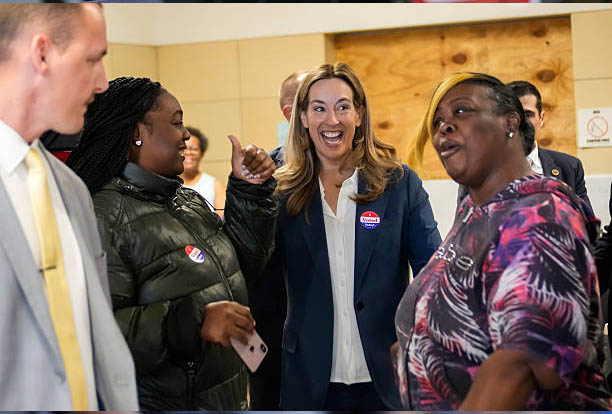
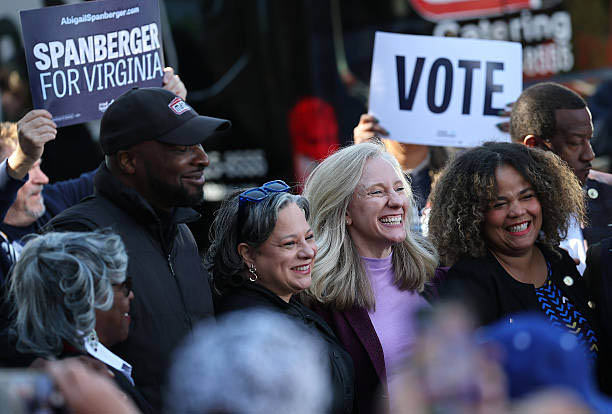
Take the governor races in Virginia and New Jersey. Despite different dynamics and candidates, the end results were almost identical — both Democratic women won with roughly 56 to 57 percent of the vote. That kind of uniformity suggests something much deeper than candidate appeal is happening.
And that deeper issue? A national mood of discontent. Even though inflation has cooled since 2022, Americans still feel pinched. Groceries are expensive, housing is out of reach, and health insurance costs keep rising. For many young people, buying a home feels impossible.

But this goes beyond pocketbook pain. People have lost trust in institutions. They’re isolated, angry, and fed up with a political system that never seems to deliver. So, when elections come around, they throw out whoever’s in power in hopes that something — anything — might get better.
In fact, in nine out of the last ten federal elections, voters handed power to the opposition party. The only exception? 2012. We’re living through an era of constant political whiplash, and unless a party can convincingly promise real change, they’re unlikely to hold on to power for long.
Even areas that looked like they were swinging right — like New Jersey’s heavily Latino Passaic County — snapped back to blue this week. After voting for Trump over Kamala Harris in 2024, the county went for Democrat Mikie Sherrill by 15 points on Tuesday, almost matching Biden’s 2020 margin.
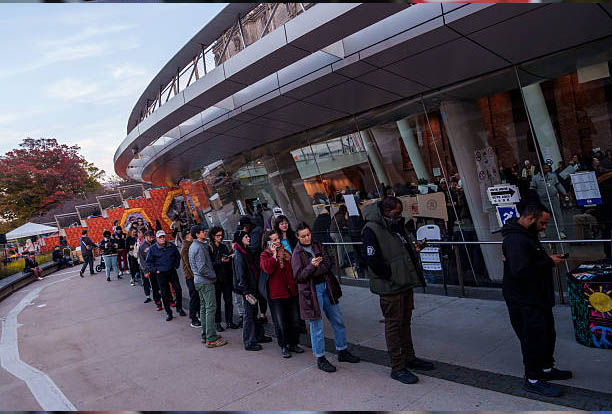
None of this means voters are obsessed with policy details or party platforms. They’re simply tired and looking for something different. New York City’s new mayor, Zohran Mamdani, proved that by focusing relentlessly on affordability and running with passion. That kind of authenticity, especially in a close race, can still cut through the noise.
So here’s the deal: the political tide is strong, and it’s moving in Democrats’ favor — for now. Republicans, tethered to an unpopular president and out-of-touch policies, might find themselves swept out just as easily as they were swept in.