Politics
Rachel Reeves May Be About to Break a Big Tax Promise and Voters Are Not Happy

When Rachel Reeves delivered her first Budget last October, she was crystal clear about one thing. The days of the income tax and National Insurance threshold freeze were meant to be over.
She stood up in the Commons and told MPs she’d looked closely at whether to carry on with the freeze, which was originally brought in by the Tories and set to run until 2029. The policy has quietly pulled millions into higher tax brackets as their pay rises, all while the Treasury rakes in billions without touching actual tax rates.
According to the HuffPost, Critics haven’t held back, calling it a stealth tax – a way of squeezing more out of working people without having to say taxes have gone up. Reeves didn’t seem to disagree.
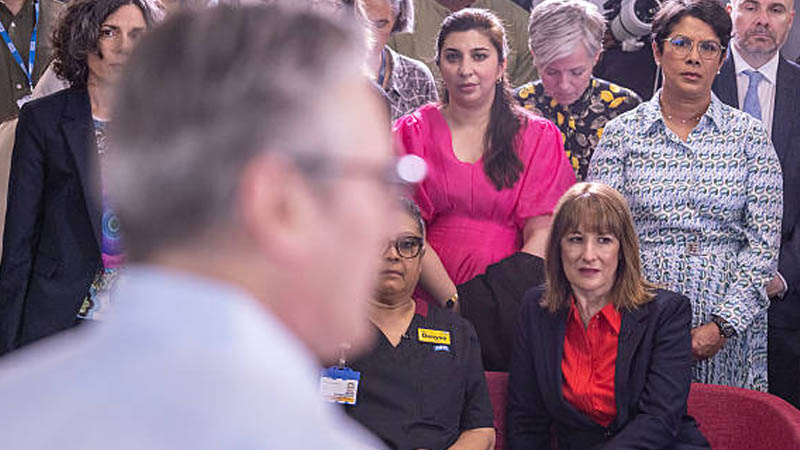
“Extending their threshold freeze for a further two years raises billions of pounds,” she told Parliament. “Money to deal with the black hole in our public finances, and repair our public services.
“Having considered this issue closely, I have come to the conclusion that extending the threshold freeze would hurt working people. It would take money out of their payslips.”
She was emphatic that Labour would not be carrying on with the freeze. “I am keeping every single promise on tax that I made in our manifesto. So there will be no extension of the freeze in income tax and National Insurance thresholds beyond the decisions of the previous government.”
She even promised that from 2028/29, tax thresholds would once again rise with inflation.
But now, with the government grappling with tight finances, it’s looking more and more like Reeves might backtrack. And people are paying close attention.
At Prime Minister’s Questions this week, Kemi Badenoch directly asked Keir Starmer if he stood by the Labour manifesto pledge not to raise income tax, VAT or National Insurance. He answered with a confident “Yes.”
But when she pushed him on whether Reeves would stick to her word and end the tax threshold freeze, things got a bit blurry.
“We are absolutely fixed on our fiscal rules, we remain committed to them,” Starmer replied. Not exactly a yes or no.
Badenoch pounced on the vagueness, saying, “The whole House would have heard him fail to rule out freezing tax thresholds. He could say with the first question, he could promise, but he couldn’t this time round.”
She also warned that sticking with the freeze would mean “millions of our poorest pensioners face being dragged into income tax for the first time ever.”
Starmer once again dodged the point, repeating, “We will stick to our manifesto commitments, we will stick to our fiscal rules.”
Later, when pressed by journalists, the PM’s spokesman refused to confirm whether Reeves was still planning to lift the freeze.
If Labour does end up reversing course, it won’t be the first U-turn from Starmer’s government. But while voters can sometimes forgive a politician who changes course with good reason, they may not be so understanding when it directly affects their take-home pay.
Don’t Miss These:
- Jimmy Kimmel mocked over ‘plumber’ jab at DHS chief Markwayne Mullin
- Trump Voters React to the Trump Phone and Say They Wanted Debt Relief, Not Another Monthly Bill
- Marjorie Taylor Greene urges MAGA supporters: “You are all being incited into civil war.”
- Trans MAGA veteran gets hate from other MAGA supporters
- Three-Time Trump Voter Finally Regrets His Electoral Decisions