Politics
Rachel Reeves Slammed by Bank Boss as Her Economic Promises Crumble in Real Time

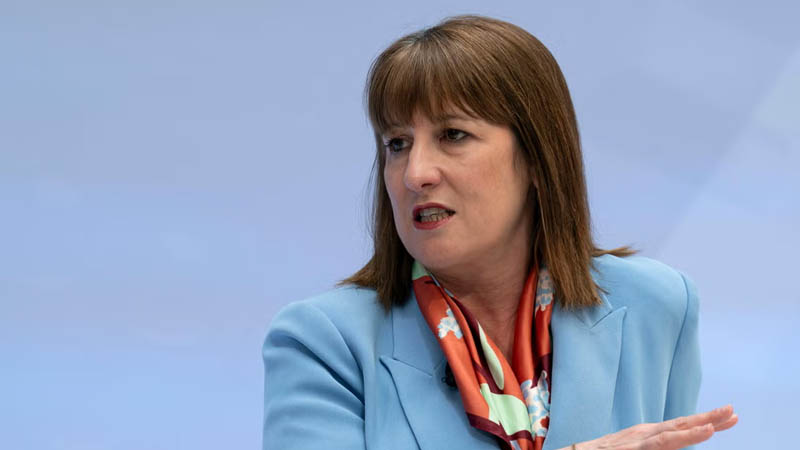
Things are looking shaky for Rachel Reeves, and it’s not just Keir Starmer feeling the heat. The Chancellor’s once-confident grip on Labour’s economic message seems to be slipping fast, with one U-turn after another leaving her reputation in tatters. She tried to pitch herself as a figure of “iron discipline,” channelling Gordon Brown, but that tough image is starting to look more like smoke and mirrors.
Her first major climbdown came when Labour pulled back on plans to scrap the winter fuel payment for wealthier pensioners. Then came the retreat on proposed changes to disability benefits after a backlash from Labour MPs. Now it looks like Reeves is poised to reverse course yet again, this time on her plan to raise taxes on wealthy non-doms — a move that’s already started driving firms and high earners out of the country, reported the Express.
The problem is, the damage is already done. In a time when Britain desperately needs capital investment, Reeves’s policy has triggered capital flight. Even the Bank of England, which usually stays well out of the political fray, isn’t buying her spin anymore. Governor Andrew Bailey, not known for throwing punches, has publicly challenged her — a rare and uncomfortable moment for any Chancellor.

Bailey’s not exactly a stranger to criticism himself, especially after wrongly predicting in 2021 that inflation would be “transitory”. But even he has reached his limit. While he usually avoids political showdowns, Reeves has seemingly pushed him too far.
Her Spring Statement in March was full of grand claims — she insisted she’d “restored stability” to the public finances, and even went so far as to credit herself with laying the groundwork for the Bank of England to start cutting interest rates. She talked about “fixing the foundations” and leading the UK into “a decade of national renewal”.
But with growth crawling, taxes at historic highs, and her £25 billion National Insurance hike putting pressure on jobs and wages, the reality isn’t matching up. The Office for National Statistics reported a 0.7% boost in GDP in the first quarter — but Bailey was quick to point out this was largely down to a rush of house buyers trying to beat a tax deadline, and firms scrambling before potential US tariffs kicked in.
April painted a much bleaker picture, with the economy shrinking by 0.3%. Reeves’s promise that the economy had “turned a corner” now looks like it turned straight into a wall.
Bailey warned that things are only getting tougher. The labour market is softening, businesses are laying off staff, and the National Insurance burden is hitting hard. Investment from overseas is drying up, with foreign-backed projects hitting record lows.
Inflation remains stubbornly high at around 3.5%, and those much-hyped interest rate cuts that Reeves took credit for are now looking less likely. If that optimism fades, will she be just as quick to take the blame?
Business leaders aren’t taking chances. The British Chambers of Commerce, via Shevaun Haviland, has told Reeves bluntly not to raise taxes again, calling it “counterproductive”. And the Institute of Economic Affairs says the economic situation under Labour has barely improved at all.
Reeves might still be clinging to her glossy political narrative, but with Andrew Bailey calling time on the fantasy, she’s been dragged back to reality. And right now, that reality doesn’t look good.
Don’t Miss These:
- Jimmy Kimmel mocked over ‘plumber’ jab at DHS chief Markwayne Mullin
- Trump Voters React to the Trump Phone and Say They Wanted Debt Relief, Not Another Monthly Bill
- Marjorie Taylor Greene urges MAGA supporters: “You are all being incited into civil war.”
- Trans MAGA veteran gets hate from other MAGA supporters
- Three-Time Trump Voter Finally Regrets His Electoral Decisions