Politics
Starmer Trapped by Labour Infighting as Energy Bills Soar and Voters Lose Patience

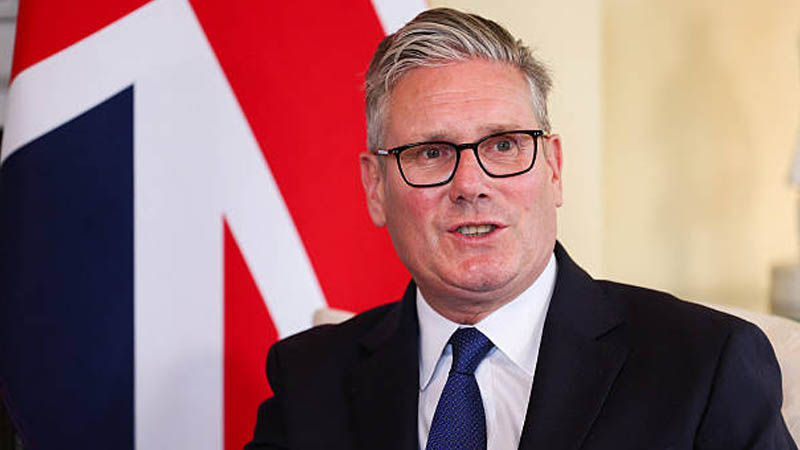
That conclusion might catch some people off guard. Our robotic Prime Minister was built for the courtroom, not the campaign trail. He struggles to inspire, connect, and show the fire people expect from a leader.
Still, he knows what needs to be done. The economy has to grow. When people feel better off, they tend to forgive a lot. When life feels like a daily grind, they look for someone to blame. The sense of decline hanging over Britain would ease quickly if growth reached three percent a year, according to the Express.
But that is only one of his problems. Starmer has to deal with immigration. Britain needs workers to plug shortages, but people want the system to be legal, controlled, and beneficial. He knows this, which is why he handed the Home Office to Shabana Mahmood, who is tougher than her predecessor Yvette Cooper.
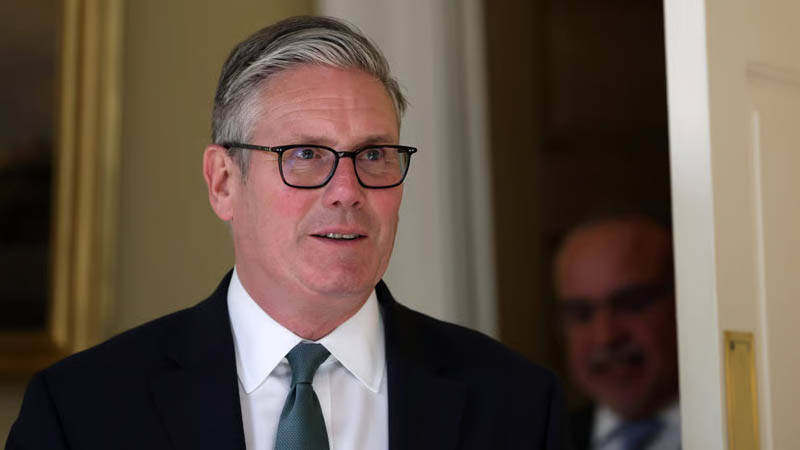
Another big challenge is the rising cost of health and disability benefits. They already swallow around £50 billion a year, and forecasts say that could hit £75 billion before this Parliament ends. Signing people off work for mental health reasons, whether genuine or not, is storing up disaster. Nothing harms wellbeing more than being cut off from work. But his biggest headache has a name. Ed Miliband.
As Energy Secretary, Miliband should be focused on cutting power bills. Instead, households are still paying an average of £1,755 a year for gas and electricity. Industry is hammered even harder. Manufacturers in Britain pay around £80 per megawatt-hour of energy, while in the US the cost is just £28. It is no surprise that firms are moving abroad, where energy is cheaper and dirtier.
Miliband’s obsession with green levies and punitive taxes adds to costs. He blocks new North Sea licences, while pouring billions into unproven projects like carbon capture and blue hydrogen. Instead of easing the pressure, he is making it worse.
Starmer tried to push him out last week, but Miliband refused to budge. Yvette Cooper and David Lammy eventually stepped aside from their own posts, but not him. If it were only about one man, Starmer would deal with it. He can be ruthless when needed.
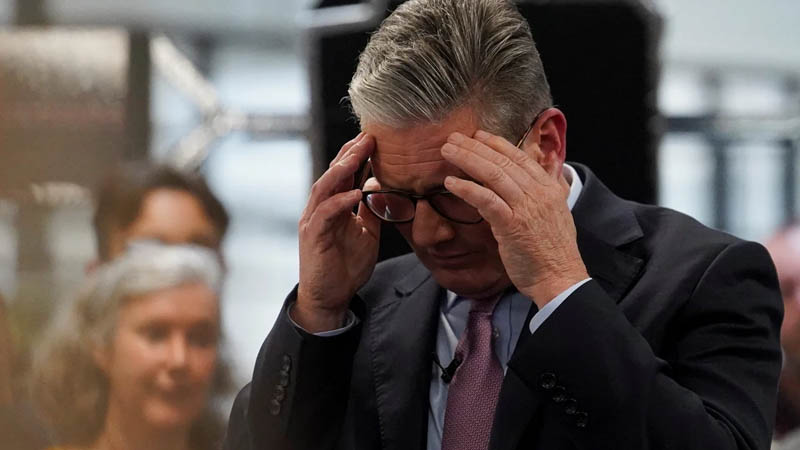
The problem is deeper. Labour activists and backbench MPs simply do not want the tough choices needed to restart growth. They prefer to dream up new ways to tax working people, polish their climate credentials, and spend money that does not exist. It all sounds nice, but without growth none of it adds up. Growth has to come first, and too many in the party refuse to face that reality.
Starmer knows Miliband is in the way. He also knows the party will not accept his removal. So he is stuck. Miliband will keep draining billions from the Treasury, industry will keep leaving, and voters will feel poorer. And when people feel poorer, they do not forgive.