
Politics
Angela Rayner’s Summer Warning Fuels Speculation Over Future Leadership Bid

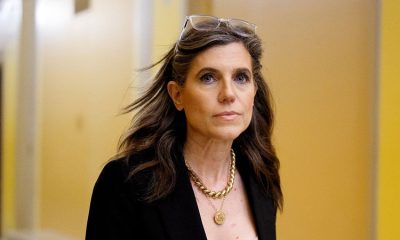
Deputy Prime Minister Angela Rayner has once again found herself at the center of leadership speculation following a high-profile intervention during the final cabinet meeting before Parliament’s summer recess. While she has repeatedly denied any ambition to become prime minister, Westminster insiders remain unconvinced.
Rayner’s recent comments, warning of a potential “summer of riots” linked to economic hardship and migration issues, have been widely viewed as a bold political maneuver one that underscores her rising influence in Keir Starmer’s government.
According to several Labour MPs, her intervention was a well-timed statement that not only captured public attention but also cemented her role as a powerful figure in the current administration. Although her language during the cabinet briefing has been described as unusually “spicy,” even by her own allies, few doubt the strategic calculation behind her words.
“She doesn’t want to be prime minister,” she has insisted in at least three major interviews. But her actions, critics argue, suggest otherwise, according to the The Independent.
Rayner’s comments come as the Labour government battles growing public dissatisfaction following a difficult first year in office. After last year’s landslide election win, disillusionment has set in over welfare cuts, rising energy costs, and other domestic issues. Polls now place Labour at around 22%, with Nigel Farage’s Reform UK surging close to 30%.
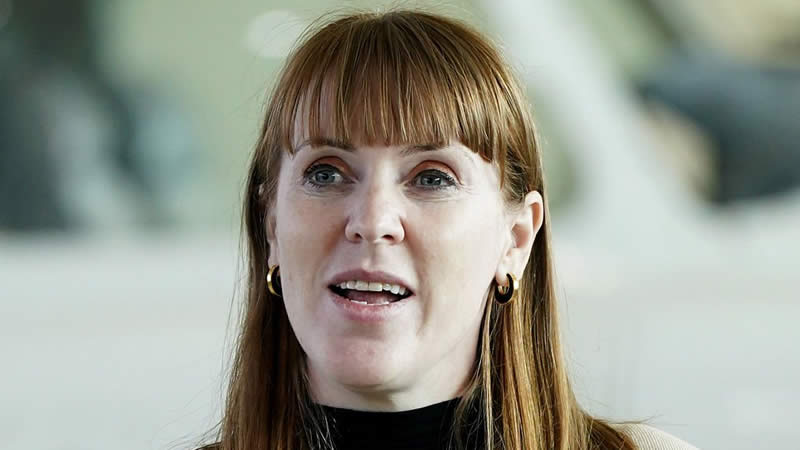
In this context, Rayner’s warning served a dual purpose: reminding voters of looming social tensions while simultaneously positioning herself as a decisive, authentic alternative to Starmer’s increasingly embattled leadership.
The date of her comments also carried symbolic weight—just a week before the one-year anniversary of the Southport child murders, an event that sparked riots across the UK and robbed Starmer of his post-election honeymoon. With new protests stirring in Epping and tensions brewing on both far-left and far-right fronts, Rayner’s remarks seemed intended to show the government is better prepared this time.
However, some, including Conservative MP Michael Gove, argue her rhetoric risks making the government appear “at the mercy of events,” a criticism Rayner’s opponents may seek to exploit.
Looking ahead, Rayner is reportedly pushing to establish an official Office of the Deputy Prime Minister a move that would grant her a formal platform within government and an alternative power base to Downing Street.
Having played a key role in saving the prime minister from a welfare rebellion and negotiating peace over benefit cuts, Rayner ends Labour’s first year back in power as the most visible and vocal contender should Starmer’s leadership falter. For many within the party, the deputy prime minister has quietly become the real Labour voice—and perhaps its future leader.