Politics
Starmer to Deliver Stark “Prepare for War” Address After Government Warning Sparks Alarmingly Dire Reaction

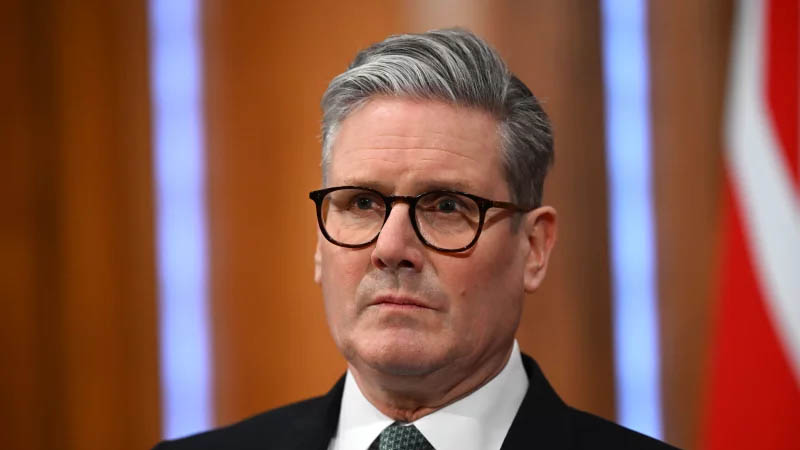
Keir Starmer is expected at a press conference this afternoon, following a chilling Government dossier that told us to “actively prepare” for war. It’s timed to coincide with crunch meetings at the NATO summit in The Hague, where he’ll sit down with the US President and other world leaders.
Just yesterday, the Government released an updated National Security Strategy, urging the country to summon that Second World War‑style spirit to take on rising global threats. It warns that nuclear danger is now “more complex than it was even in the Cold War” and points out that major powers – China and Russia in particular – are vying to dominate arenas from outer space to the deep sea, cyberspace to polar regions, reported the Mirror.



In strong words the document says: “The years ahead will test the United Kingdom… The direction it takes – and the decisions we take – will reverberate through the decades… We will need agility and courage to succeed, but we should be optimistic. We remain a resolute country, rich in history, values and in our capabilities… We can mobilise that spirit again and use it both for our national security and the rebuilding of our country.”
Defence Secretary John Healey was quick to emphasise that this isn’t empty rhetoric. He told Times Radio that he does trust President Trump and the US — and so does the Prime Minister — to uphold NATO’s mutual‑defence commitment, Article 5. That assurance came publicly in the Oval Office when Trump gave Starmer a firm pledge.
Downing Street adds that Starmer used his Tuesday discussions with the French and German leaders to reflect on the “volatile situation in the Middle East” and agreed that “now was the time for diplomacy and for Iran to come to the negotiating table”. Meanwhile, US intelligence assessments suggest recent American strikes on Iran’s nuclear programme only delayed it by a few months, rather than delivering the “destruction” some commentators previously touted.
What’s striking is how the tone has shifted. Just a few years ago, pandemic resilience formed the cornerstone of our defence thinking. Now the focus has turned squarely to potential attacks on our homeland, cyber‑warfare, threats to under‑sea cables and more traditional military risks. The goal is a full‑throttle “whole‑of‑society” preparedness plan, even including annual large‑scale drills dubbed “Pegasus,” starting this autumn to simulate wartime scenarios – cyberattacks, missile strikes, terror incidents, you name it.
On top of that, NATO allies agreed at the summit to boost defence spending to 5 percent of GDP by 2035, with the UK pledging to ramp up over time. Inside the summit, Healey said Europe must step up — urging turning that 5 percent commitment into reality, not just for the next decade but now.
All of this paints a picture of a nation pivoting back to a wartime mindset in an era of heightened global friction. Starmer’s press conference will lay it all out: where the UK stands, how seriously we should take the threats, and how we intend to shore up our defences — both within government circles and across everyday British life. With diplomacy still on the table, he’s calling for a united and calm response from the public. But the takeaway is clear: this government wants everyone alert and ready, while trusting alliances like NATO to hold firm.
If nothing else, the message is loud and clear: even in peacetime, Britain must prepare as if its security depends on it — because maybe it just does.
Don’t Miss These:
- D4vd’s lawyers make sudden exit as singer prepares for murder trial
- Bill Gates says he was “foolish” to spend time with Jeffrey Epstein
- Caitríona Balfe leads Alfonso Cuarón’s chilling new Apple TV thriller ‘Ascension’
- California Man blows ex-girlfriend away as toddler son watched while they hid in laundry room during break-in
- This AI tool promises a ‘second pair of eyes’ to clinicians. Did patients benefit?