
Lifestyle
Millions on Common Medication Warned to Take Extra Care as Scorching Heatwave Approaches

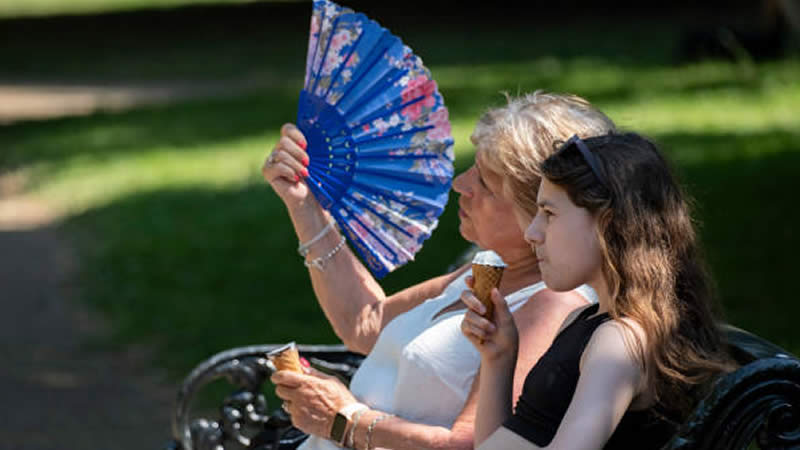
As the UK braces for soaring temperatures this week, with the Met Office predicting highs of up to 35°C, health experts are urging caution especially for the eight million Brits currently taking antidepressants.
Mental Health UK has raised the alarm over how certain medications, including widely prescribed antidepressants like SSRIs and SNRIs, could make people more vulnerable during the heat. These drugs, along with some antipsychotics, can mess with how your body regulates temperature, potentially raising the risk of heat exhaustion or even stroke,, reported Bristol Live.
“This is because they interfere with the hypothalamus, the part of the brain responsible for temperature regulation,” the organisation explains. “This is often listed as a potential side effect, so it’s important to check your medication’s accompanying leaflet. If you’re concerned, you can discuss this with your prescribing doctor, psychiatrist or pharmacist.”



The warning is timely, especially as more people than ever are on these medications. Recent figures show 8.6 million people in England were prescribed antidepressants in 2022-23 – nearly double the number in 2011.
Some medications can make you sweat more, which increases the risk of dehydration, while others can reduce your ability to sweat at all. In both cases, your body might struggle to keep cool in a heatwave. Mental Health UK also notes that certain meds can affect your mental sharpness or lower your tolerance to heat, which can creep up on you if you’re not paying attention.
Signs of heat exhaustion to watch out for include feeling sick, being unusually thirsty, feeling dizzy or tired, having a headache, or experiencing heavy sweating and muscle cramps. You might notice a higher-than-usual body temperature, clammy skin, and a faster heartbeat or breathing. Some people, especially older adults, may show signs of confusion or even delirium, while children might become unusually irritable.
If you’re taking any medication and are unsure how it might affect you in the heat, it’s a good idea to read the information leaflet that comes with it. You can also check the NHS medication directory online to find out more about side effects, interactions and how a drug works in general.
The NHS has laid out a clear plan to help someone who may be struggling with the heat. Step one: get them to a cooler place. Next, take off any unnecessary clothing – coats, socks, anything heavy. Offer them cool water or a sports drink to get fluids back in their system. Then, work on cooling their skin with a damp cloth, mist, or fan. You can also use cold packs wrapped in a cloth under their arms or on their neck to help bring the temperature down. Keep an eye on them – recovery usually takes about 30 minutes.
But if symptoms don’t improve after half an hour, or someone shows signs of heatstroke, you need to act fast. Call 999 if they’re still unwell despite cooling efforts, if their skin is hot and dry, or if they become disoriented, have a seizure, or lose consciousness. Heatstroke can be life-threatening, and quick action could make all the difference.
With so many people relying on medication that can interfere with the body’s natural cooling systems, staying aware and prepared during this heatwave is more important than ever.
Don’t Miss These:
- How to Wear a Sherwani with Turban & Khussa for a Wedding
- “Happy Christmas to the Welsh Guards!” as Prince William shrugs off Prince Harry’s latest UK push
- Wedding Sherwani for Groom: Ideas for Nikkah, Baraat, & Special Events
- Crockett’s Bold Senate Campaign Video Draws Mixed Reactions Over Trump Attacks
- Ted Cruz Warns Trump’s Drone Plan Could Derail Major Defense Bill