Health
Doctor warns popular bedtime habit could secretly raise your risk of dementia

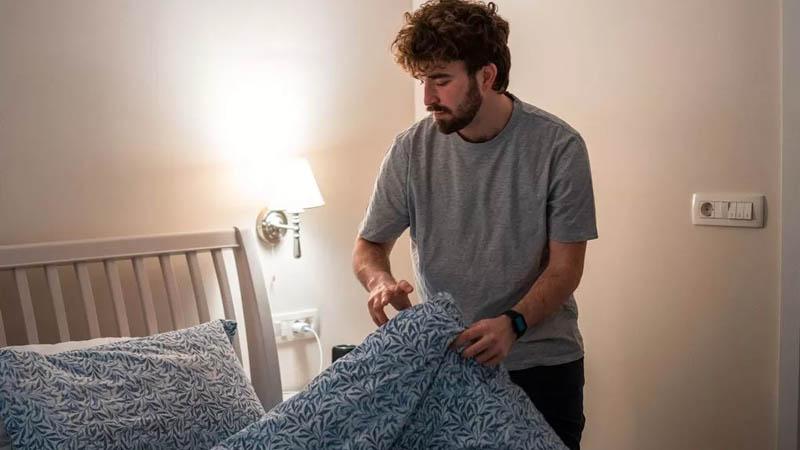
A neurologist has issued a stark warning over a common bedtime routine that many people rely on to drift off to sleep. While it may seem harmless – even helpful – using a white noise machine at night could, over time, actually do more harm than good.
Doctor Baibing Cheng, known to his followers as Dr Bing, took to TikTok to share the one sleep habit he personally avoids. In his video, he explained that while white noise machines can block out snoring, traffic or even your dog fussing in the middle of the night, they could be damaging your hearing – and that could lead to something far more serious down the line.
“I don’t blast my white noise machine,” he said. “Not all of you use white noise machines but if you do, I get it – I use one too. And you’re probably trying to block out traffic, your partner snoring or your dog licking his paw at 2am”, reported Surrey Live.

But here’s the issue. If the volume’s too high, you might be putting your hearing at risk without even realising it. “If it’s too loud, that can actually lead to hearing damage over time,” he warned. “And as I’ve mentioned in previous videos, hearing loss is one of the biggest risk factors for dementia later in life.”
He recommended keeping your white noise machine at no more than 50 decibels, which you can check easily using apps like Decibel X or the built-in noise app on an Apple Watch.
Research backs this up. A 2024 study published in The Lancet named hearing loss as one of 14 modifiable risk factors for dementia. The study’s authors highlighted that addressing lifestyle and health-related risks – including hearing loss – can reduce the chances of developing dementia in later life.
Dementia itself is a condition that typically affects those over 65 and can cause memory issues, changes in behaviour, and even problems with movement. While its causes aren’t fully understood, experts believe up to 45 per cent of cases could be preventable by making changes in mid-life.
According to the Alzheimer’s Society, hearing loss during mid-life (around ages 40 to 65) is linked to a higher risk of developing dementia. They explain that it might also be one of the early warning signs, which often goes unnoticed.
“Many people start to lose their hearing as they get older, though they may not notice it at first,” the charity said. “To reduce the risk of dementia, it’s important to get your hearing tested. There is some evidence that using hearing aids may reduce risk of some aspects of cognitive decline.”
They also stressed that having hearing loss doesn’t guarantee that someone will develop dementia – it’s just one of several contributing factors. But it’s a good idea to stay on top of it, especially if you’re relying on loud sounds to help you sleep.
If you’ve noticed a change in your hearing or have concerns about a loved one, it’s worth booking a test or speaking to your GP. It might seem like a small thing, but it could help protect your brain health in the long run.
Don’t Miss These:
- Jimmy Kimmel mocked over ‘plumber’ jab at DHS chief Markwayne Mullin
- Trump Voters React to the Trump Phone and Say They Wanted Debt Relief, Not Another Monthly Bill
- Marjorie Taylor Greene urges MAGA supporters: “You are all being incited into civil war.”
- Trans MAGA veteran gets hate from other MAGA supporters
- Three-Time Trump Voter Finally Regrets His Electoral Decisions