
Health
Experts Urge Vaccination as Two New Covid Variants Spread in UK; Older Adults Most at Risk

Two new Covid variants are now circulating in the UK, but health officials say there’s no sign they make people more seriously ill. The strains, named Stratus (XFG) and Nimbus (NB.1.8.1), are not thought to pose a bigger risk than earlier versions of the virus, though recent changes in their genetic makeup could mean infections are picked up more easily.
The UK Health Security Agency (UKHSA) has urged calm, explaining that it is normal for viruses to mutate. “It’s normal for viruses to mutate and change, and as more data becomes available on these variants, we’ll have a better understanding of how they interact with our immune systems and how to optimise our protection, as well as actions we can take to keep the most vulnerable safe and live our lives as normally as possible,” the agency said.
Professor Azeem Majeed, who heads the department of Primary Care and Public Health at Imperial College London, told the Express that most people will only experience mild symptoms if they catch the new strains. That’s thanks to the population building up immunity over time through infection and vaccination.

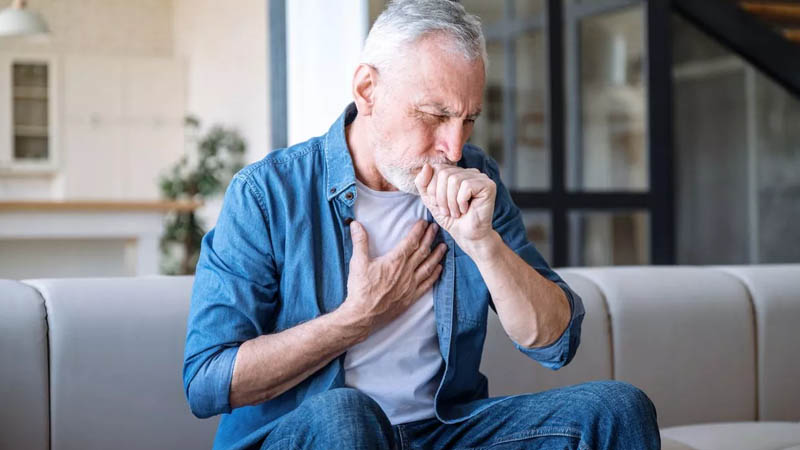
“Typical symptoms include cough, fever, fatigue, headache, muscle aches, and loss of taste or smell,” he explained. “Other possible symptoms are hoarseness, runny nose, chills, and shortness of breath. Some people also describe a very sore throat, often likened to a ‘razor blade’ sensation.”
More serious signs should not be ignored, particularly in older people. Professor Majeed warned: “Signs of more severe illness include confusion, a high or persistent fever, breathlessness, or low oxygen levels”.
“The risk of severe illness is highest in older adults (those aged 75 years and over) and in people with underlying health conditions like chronic kidney disease or diabetes or who have a suppressed immune system because of their medical condition or the drugs they are taking.”
For younger and healthier people, infections should be short-lived and mild, but he stressed that older groups need to watch out for red flags like a temperature that doesn’t ease after a few days, extreme fatigue, breathlessness, or not being able to eat properly. “If they feel problems like confusion, they should really seek advice very urgently,” he said.
One concern raised by Professor Majeed is that vaccination rates are slipping. He revealed that uptake among older groups has dropped year by year. “Even amongst the older people the vaccine rates have been dropping year by year and in the most last year for example, the uptake of vaccine was around 60% in people over 75, so below the ideal,” he explained.
Part of the problem seems to be the belief that vaccines no longer work against newer variants, something he says is simply wrong. “Evidence shows the vaccines still work against all variants we have faced so far,” he stressed.
His advice is clear: people over 75 should be getting vaccinated twice a year, ideally in spring and autumn. The NHS is continuing to offer free Covid jabs to those in that age bracket, and doctors are urging them to take it up to protect against the ongoing waves of new strains.