Lifestyle
COVID Cases Surge Across the US as Doctors Warn Sniffles Could Be More Than Just a Cold

If you live in the US right now, chances are you either know someone with COVID, have just got over it yourself, or are dealing with it at the moment. Cases are climbing sharply as schools reopen and families return from summer holidays.
Doctors say this late summer spike is part of the pattern the virus has followed in recent years, with another peak likely in winter, but that doesn’t make catching it any less frustrating or worrying.
COVID levels are up across the country, but some regions are being hit harder. “We’re seeing COVID increase in many communities across the United States, particularly severe, at least according to our current data tracking, in the West and in the South,” said Dr Sarah Whitley Coles, a founding member of Those Nerdy Girls, an online group sharing clear science and health information, reported HuffPost.

Accurate data is harder to come by these days, with less funding, fewer tests, and some tracking systems scrapped. Still, the numbers we do have show worrying rises. Dr S Wesley Long, medical director of diagnostic microbiology at Houston Methodist Hospital, said: “We are seeing cases increase here in Houston, and in Texas, and if we look at the data that is available from the CDC, it certainly seems like the South Central US — Texas, New Mexico, Oklahoma, Arkansas, Louisiana — are seeing some of the higher test positivity rates in the country.”
Dr Scott Roberts, an infectious disease expert at Yale, added: “The highest test positivity is in the Texas region, with the second highest broadly being the West Coast. So, the Washington, Oregon, California, Nevada areas, but that does extend through Colorado and then the Dakotas.”
The latest CDC data shows national test positivity at 11.2%, up from 9.9% the week before and 2.7% in May. In hotspots like Texas, Oklahoma and New Mexico, that figure is close to 18%. By comparison, New England states are around 7.5%. For context, during the omicron wave in early 2022, positivity hit 30%. So while current rates are well below the worst days of the pandemic, the upward trend is clear.
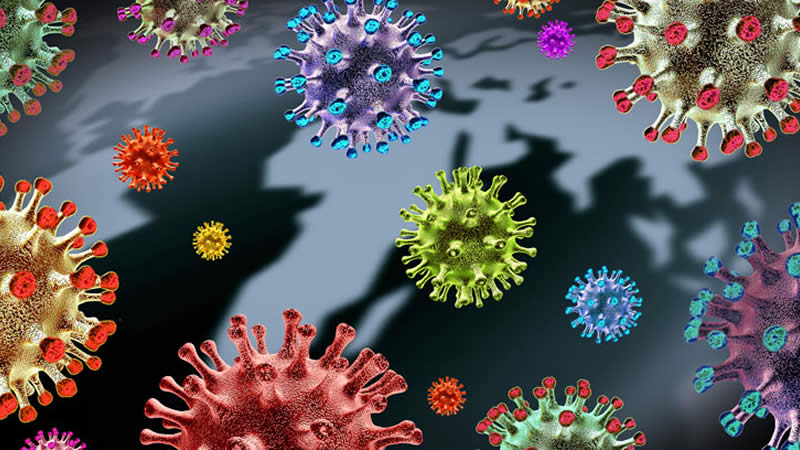
Doctors say two new variants, nicknamed Stratus and Nimbus, are driving the summer increase, though they don’t appear more dangerous than previous strains. Still, the risk of long COVID, hospitalisation or worse remains.
Coles urged people not to dismiss symptoms as a cold or allergies, and to take precautions: “I would strongly encourage everybody to take actions to stay healthy from COVID and prevent the spread of COVID to others. Stay home when sick, wash hands, wear a mask in crowded public areas, get vaccinated if and when vaccines become available.”
The vaccine rollout is more limited this year. The new shots, tailored to target current strains, have been approved by the FDA but not yet cleared by the CDC. T
hey’re only available to people aged 65 and over, and younger adults with certain health conditions, unlike last year when almost everyone was eligible. Doctors stress that conditions like high blood pressure, diabetes and higher weight also raise risks.
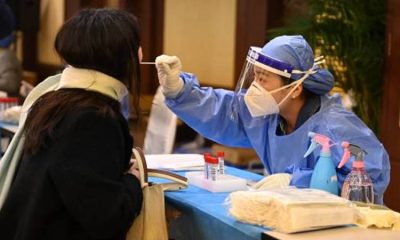
If you feel ill, testing is still key. Coles warned that a negative test may not be the full story, urging people to retest a few days later. “Because if you have COVID, we want you to stay home, protect yourself and protect others as well,” she said. And for those who do test positive, antivirals are available that can shorten