
Lifestyle
Civil servant struggled with bipolar diagnosis after birth of son

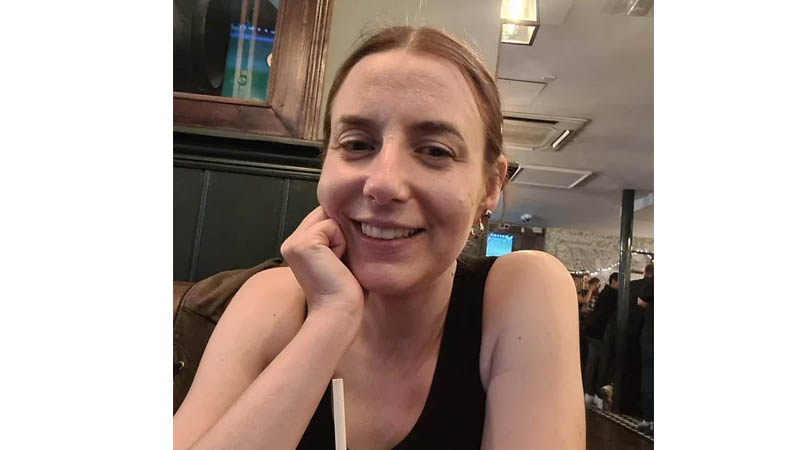
The family of Roisin Harron say her brain was “irreversibly damaged” after undergoing treatment for severe postpartum psychosis following the birth of her son Dominic in 2017.
Roisin’s mental health declined so badly she was given 12 sessions of electro convulsive therapy (ECT). While the treatment is used for conditions such as depression, mania and catatonia, her loved ones said she believed it had affected her memory and cognitive abilities. They described how she became increasingly upset at forgetting things, insisting she never felt the same again.
After ECT, the 34-year-old civil servant was diagnosed with bipolar disorder and treated with drugs including lithium. Her family were sceptical of the diagnosis, but said she tried hard to get better, determined to be a good mum, do well in her job and maintain strong relationships. Outwardly she presented a warm and friendly face, but her family said she lived with deep depression and anxieties, reported the Sun.
Roisin had battled depression since her teenage years, which may have made her vulnerable to postpartum psychosis. After Dominic’s birth she experienced a week of hypermania and was admitted to the mother and baby unit at Bethlem Royal Hospital in Bromley, staying until March 2018.

During this time she underwent ECT, which her parents said left them shocked at the obvious damage to her memory. Although she recovered some cognitive ability, Roisin believed her brain was permanently impaired.
When doctors later diagnosed her with bipolar disorder she was put on a regime of different drugs, but the process of trying to stabilise her mood left her anxious. By April 2023 her condition was considered to be in remission, and after a year of stability she was discharged from specialist mental health care and placed under her GP’s supervision.
Her family said the change left her without the regular contact with experts she had come to rely on, and even something as simple as struggling to access prescriptions added to her distress. She had to go from pharmacy to pharmacy to source her medication, which became another source of anxiety.
Her father Henry told South London Coroner’s Court that he felt her medication had been treated too casually. While doctors said Roisin was articulate and assertive about her treatment, her family were adamant she needed closer support.
On 17 June 2024, Roisin was reported missing before she was found dead in a Travelodge in Crystal Palace, fully clothed in bed. She had taken an overdose of at least nine prescription drugs along with ibuprofen. A post mortem confirmed she died of cardiac arrest caused by the overdose.
The inquest heard that between 600 and 1,200 mothers in England and Wales experience psychosis each year, with suicide the leading cause of maternal death between six weeks and a year after birth, making up 39 per cent of cases.
Assistant coroner Victoria Webb recorded a verdict of suicide, noting Roisin had suffered from postpartum psychosis.
Her family said: “It’s impossible to underestimate the impact psychiatric medication had in Roisin’s life. She tried so hard to help herself. Beneath her smiling face were very difficult struggles.”