Health
New Research Links Covid to Early Vascular Ageing and Higher Heart Risks

Covid may have left your arteries five years older than they should be, with women bearing the brunt, new research has revealed. Scientists say even mild infections can stiffen blood vessels in a way normally seen with ageing, raising the risk of strokes, heart attacks and other serious problems. But there is some good news — those who had been vaccinated tended to have healthier arteries than those who had not.
Professor Rosa Maria Bruno, who led the international study, said many people are still struggling with symptoms months or even years after being struck down by the virus. “We know that Covid can directly affect blood vessels. We believe that this may result in what we call early vascular ageing, meaning that your blood vessels are older than your chronological age and you are more susceptible to heart disease. If that is happening, we need to identify who is at risk at an early stage to prevent heart attacks and strokes,” she said.
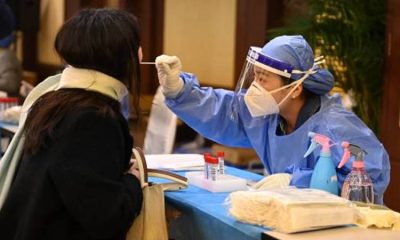
The study, published in the European Heart Journal, tracked 2,390 people from 16 countries, including the UK and US, between September 2020 and February 2022. Volunteers were split into four groups — people who had never caught Covid, those who had mild cases and weren’t hospitalized, patients who were treated on wards, and those who needed intensive care, reported the Mirror.
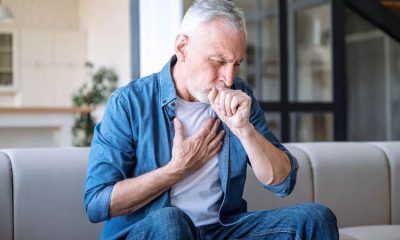
Shockingly, all three groups who had caught the virus were found to have stiffer arteries than people who never had it, even if their case was mild. The effect was stronger in women than men, and in those still struggling with long Covid symptoms like fatigue and shortness of breath.
Tests showed women with mild Covid had an average increase in artery stiffness of 0.55 metres per second, 0.60 if they had been hospitalized, and 1.09 if they had ended up in intensive care. An increase of 0.5 metres per second is considered “clinically relevant” and roughly equal to five years of vascular ageing. For a 60 year old woman, that’s a three percent increase in the risk of heart disease.
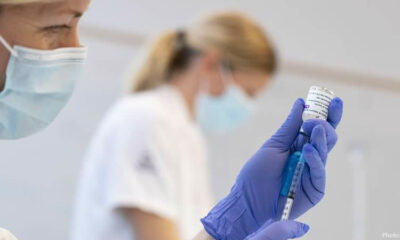
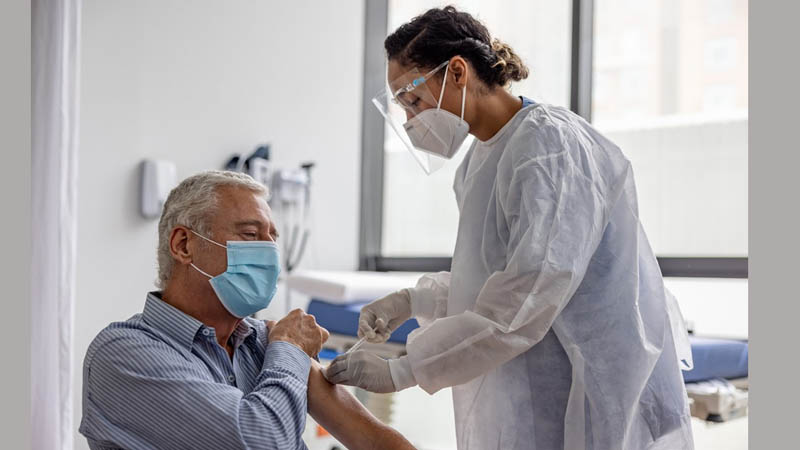
Encouragingly, vaccinated people generally fared better, with less stiffening of the arteries compared to unvaccinated patients. And while the stiffening was most obvious in the months after infection, researchers noted it seemed to ease or stabilise slightly with time.
To measure vascular ageing, scientists used a device that tracks how quickly blood pulses between the carotid artery in the neck and the femoral artery in the leg. The faster the wave travels, the stiffer the arteries. Each participant was tested six and twelve months after infection, with factors like age, sex and general health taken into account.
Professor Bruno explained that Covid attacks receptors called ACE2, which sit on the lining of blood vessels. The virus uses these to enter the body’s cells, causing dysfunction and speeding up vascular ageing. The body’s own inflammation and immune response may also add to the damage.
Women were found to be most at risk. “Women mount a more rapid and robust immune response, which can protect them from infection. However, this same response can also increase damage to blood vessels after the initial infection,” Prof Bruno said.
She added that vascular ageing can be slowed down through healthy lifestyle changes and medication such as blood pressure and cholesterol-lowering drugs, reducing the risk of heart attacks and strokes. The researchers plan to continue tracking patients to see if this early vascular ageing translates into a higher rate of heart problems later on.